
New Zealand Reports
New Zealand first hydrogen blending pilot
Insights from an industry led pilot integrating hydrogen into a gas distribution network
On 1 October 2025, Standards New Zealand revised NZS 5442 to allow blending up to 10% hydrogen into gas distribution networks. This update reflects pilot results confirming safe integration with existing infrastructure and appliance compatibility. The new standard paves the way for further projects on larger gas networks and promotes hydrogen as a credible option for decarbonising New Zealand gas networks.
This pilot has shown that the economic case to produce hydrogen for blending into gas networks is very challenging without support mechanisms. Again, this is consistent with international experience. There may be emergent opportunities to develop permanent hydrogen blending facilities where other, higher value markets for low carbon hydrogen develop to maturity. However, electricity prices may be too high to support production of green hydrogen for network blending.
New Zealand’s Fuel Security Plan is a comprehensive strategy to ensure Kiwis have reliable access to fuel in case of global and domestic disruptions, Associate Energy Minister Shane Jones says.
“Fuel security is a cornerstone of New Zealand’s economic resilience and national wellbeing. As an island nation reliant on imported fuels, we must be prepared for global supply chain shocks and domestic disruptions.”
The plan makes multiple references to hydrogen and builds on findings of the 2025 Fuel Security Study by focusing on four key areas:
Strengthening resilience against global supply disruptions;
Enhancing domestic fuel infrastructure and emergency preparedness;
Supporting the development of domestic low-carbon fuel alternatives;
Managing fuel security during the transition to new energy technologies.
Canterbury Hydrogen Precinct

This Government is taking action to unlock private investment in hydrogen.
After a period of relative stability, our energy system is undergoing a period of challenge and opportunity. Recent months have demonstrated how critical it is that we have a diversified, resilient energy system. And over the longer term, purchasers of New Zealand goods and services are increasingly demanding low-carbon products, delivered to market on low-carbon trucks, planes, and ships.
New Zealand is fortunate to have abundant renewable energy potential, which provides a strong foundation to electrify much of our economy, but also to produce hydrogen and other green fuels for activities that are less suited to electrification.

Fortescue is currently in the pre-feasibility phase of a green hydrogen manufacturing facility at Marsden Point to produce synthetic sustainable aviation fuel (eSAF).
The eSAF project provides an opportunity to assist in the decarbonisation of the aviation industry by producing locally made renewable fuel. The aviation sector is broadly viewed as a hard-to-abate sector. It is also broadly viewed that eSAF can provide a solution to this problem, particularly for long haul flights where other emission reduction technologies may not be suitable.

The Government, with the release of its proposals for New Zealand’s Second Emissions Reduction Plan (ERP2), has signalled a change in direction towards ‘Net Zero’ 2050. The proposals set out in the discussion document consolidates the Government’s policies to reduce emissions and meet our national budget over the next five years (2026-2030).
The ERP2, released on Wednesday 17 July 2024, was open for consultation with the closing date being Wednesday 21 August 2024. The Second Emissions Reduction Plan is to be published by the end of this year.
The consultation document makes substantial references to hydrogen for multiple use cases, including as part of the solution for natural gas replacement, a low-emission alternative in heavy industry, heavy and specialty transport, production of green fuels including sustainable aviation fuels.

This report was prepared by Standards New Zealand following a technical standards review. The review resulted in a suite of hydrogen and related equipment standards recommendations, determined by Technical Advisory Group (TAG) P3652 convened by Standards New Zealand on behalf of WorkSafe New Zealand – Energy Safety.
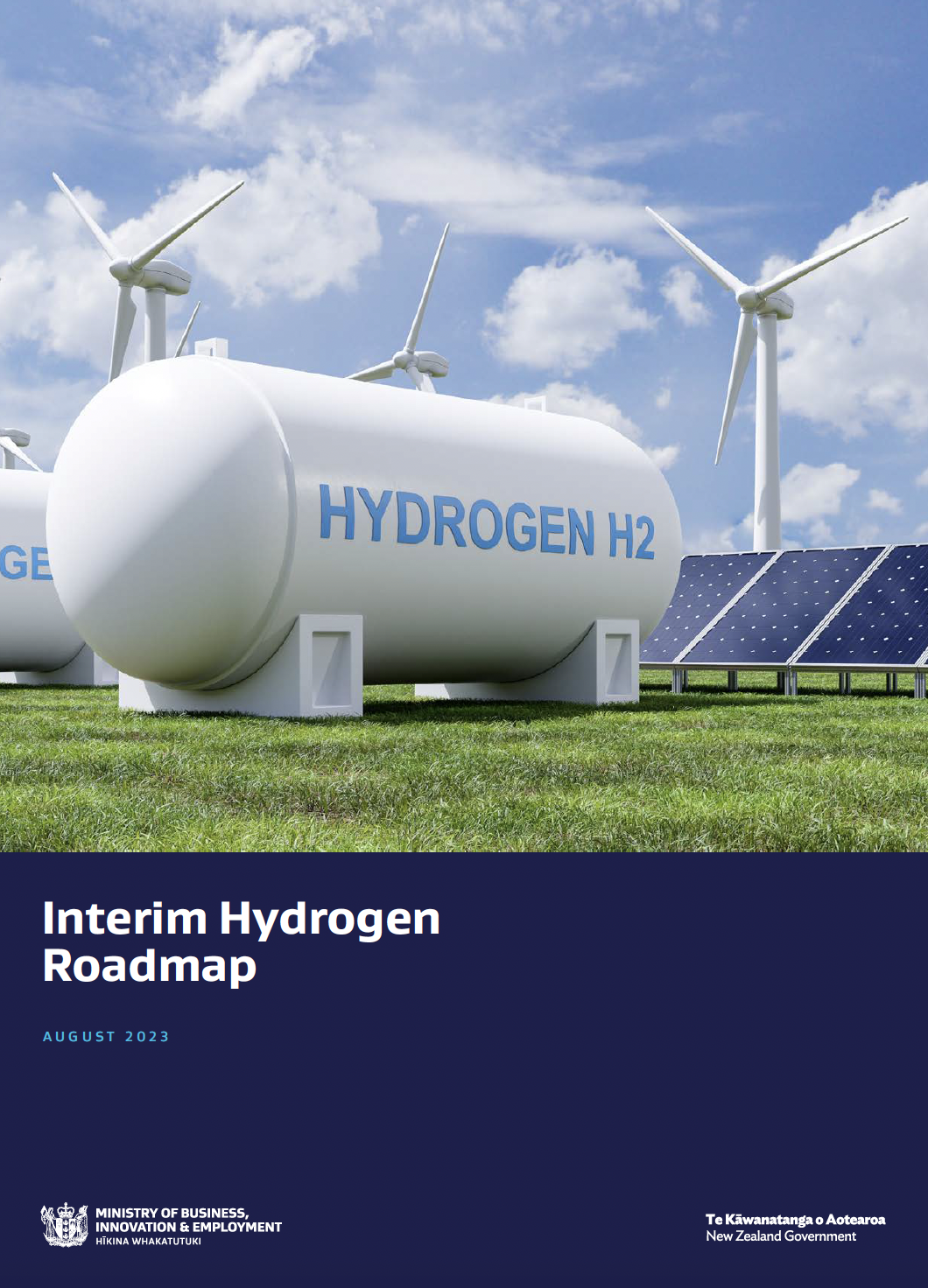
We need to do things differently if we are to avoid the impacts of climate change. To play our part in limiting global warming to 1.5°C, the Government has committed to reaching net zero for all greenhouse gas emissions (excluding biogenic methane) by 2050.
Reaching this goal will require a substantial and coordinated effort, and a commitment from across government that we are not shy of making. The Government is focused on the long-term strategic work of system change to a high performing, low emissions future.
➤READ MORE

Our reliance on fossil fuels is compromising our climate and the wellbeing of future generations. The changing climate is affecting our economy, the environment and our way of life. New Zealand remains an active participant in the international response to the challenge of climate change (through the 2015 Paris Agreement), principally by making substantial reductions in our greenhouse gas emissions.